Every year in February, the United States celebrates the black history month to commemorate and highlight the contributions made by African Americans over the decades. We, as a human race, have come a long way towards eliminating racism, discrimination and inequality, a long way since the prevalence of slavery and the civil rights movement. However, we still have a long way to go to “lift our nation from the quick sands of racial injustice to the solid rock of brotherhood”, as Martin Luther King dreamed of. In the light of the BLM movement, understanding black history- the struggles and achievements, has become all the more important in order to appreciate the progress we have made thus far. Over the past years, in my quest to do the same, some pieces of literature, and movies have stood out to me particularly. Here is a short list of recommendations if you are looking to walk down this lane:
Green Book
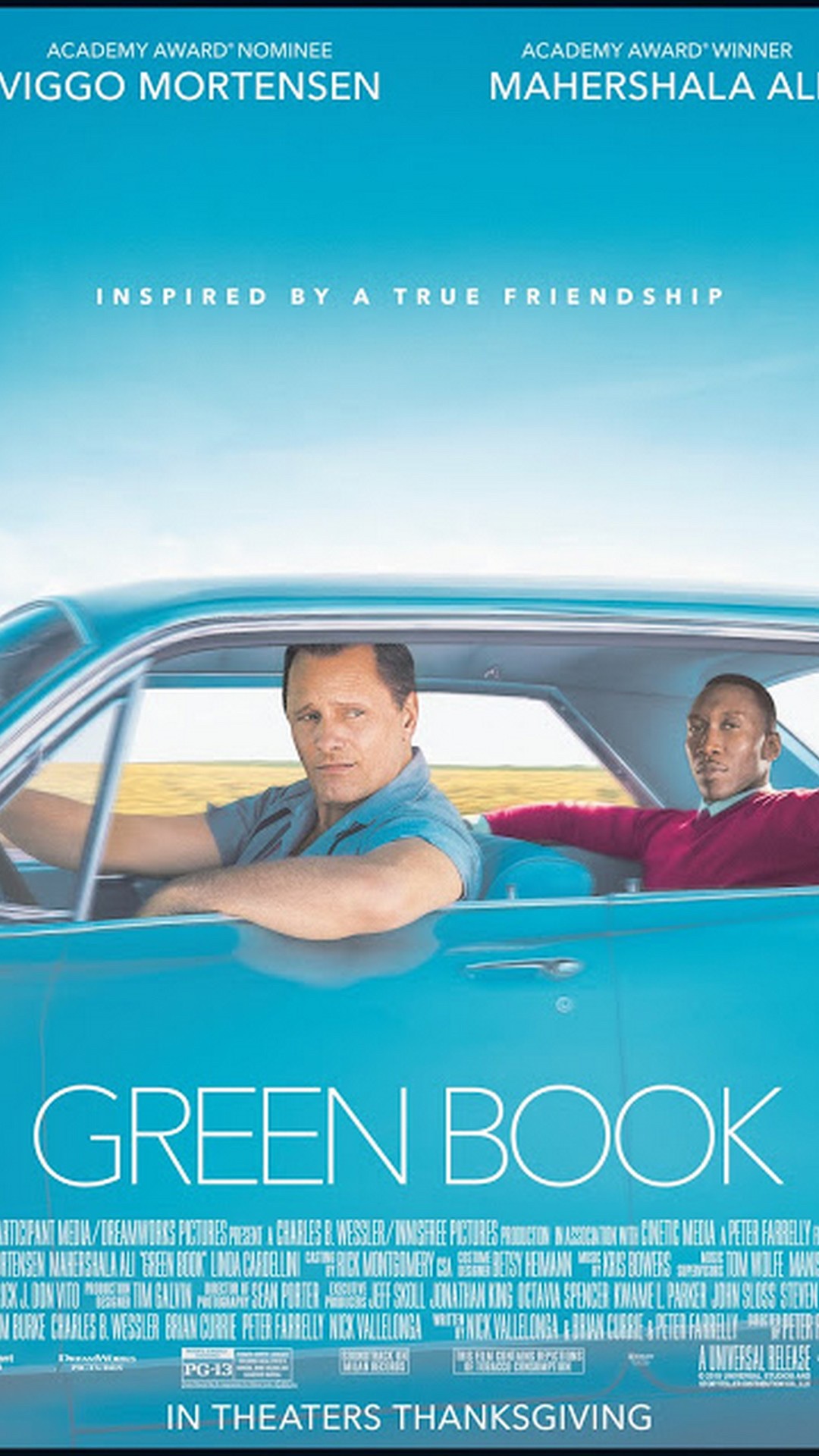
A 2018 biographical film, Green Book shot to the limelight for winning the award for the Best Picture, Best Original ScreenPlay and Best Supporting Actor at the 91st Academy Awards. And rightly so! The movie is inspired by the true story of a tour of the Deep South by the African American classical jazz pianist Don Shirley (played by Mahershala Ali) and Italian American bouncer Frank Vallelonga (played by Viggo Mortensen). Through some brilliant storytelling, director Peter Farrelly, brings to light the harsh realities and struggles faced by a black man in the 1960s, despite his talent and success. Equipped with a copy of the ‘Green Book’ – a guide for African-American travelers to find motels and restaurants, the unlikely duo embark on a journey of setting aside their differences, and appreciating each other for the person they are, void of their race, ethnicity and color.
The scene that struck me the most was when Mahershala Ali’s character stomps out of the car in the rain and shouts out in frustration that irrespective where he was at, he would never belong anywhere- that despite all the success, he was as lonely as lonely could be.
“Yes, I live in a castle! Tony. Alone! And rich white people pay me to play piano for them, because it makes them feel cultured. But as soon as I step off that stage, I go right back to being just another n****r to them. Because that is their true culture. And I suffer that slight alone, because I’m not accepted by my own people, because I’m not like them either! So if I’m not black enough, and if I’m not white enough, and if I’m not man enough, then tell me Tony, what am I?!”
I remember watching Green Book on a tiny screen while traveling on a plane from San Francisco to Atlanta. It made me appreciate that moment where I was seated beside a white woman on a airplane- a woman who was welcoming in her smile and gestures, a woman who was not bothered by the color of my skin. We have progressed a whole lot since when this story unfolded in 1962, and I feel grateful to be living in these times versus then.
The Autobiography of Malcolm X
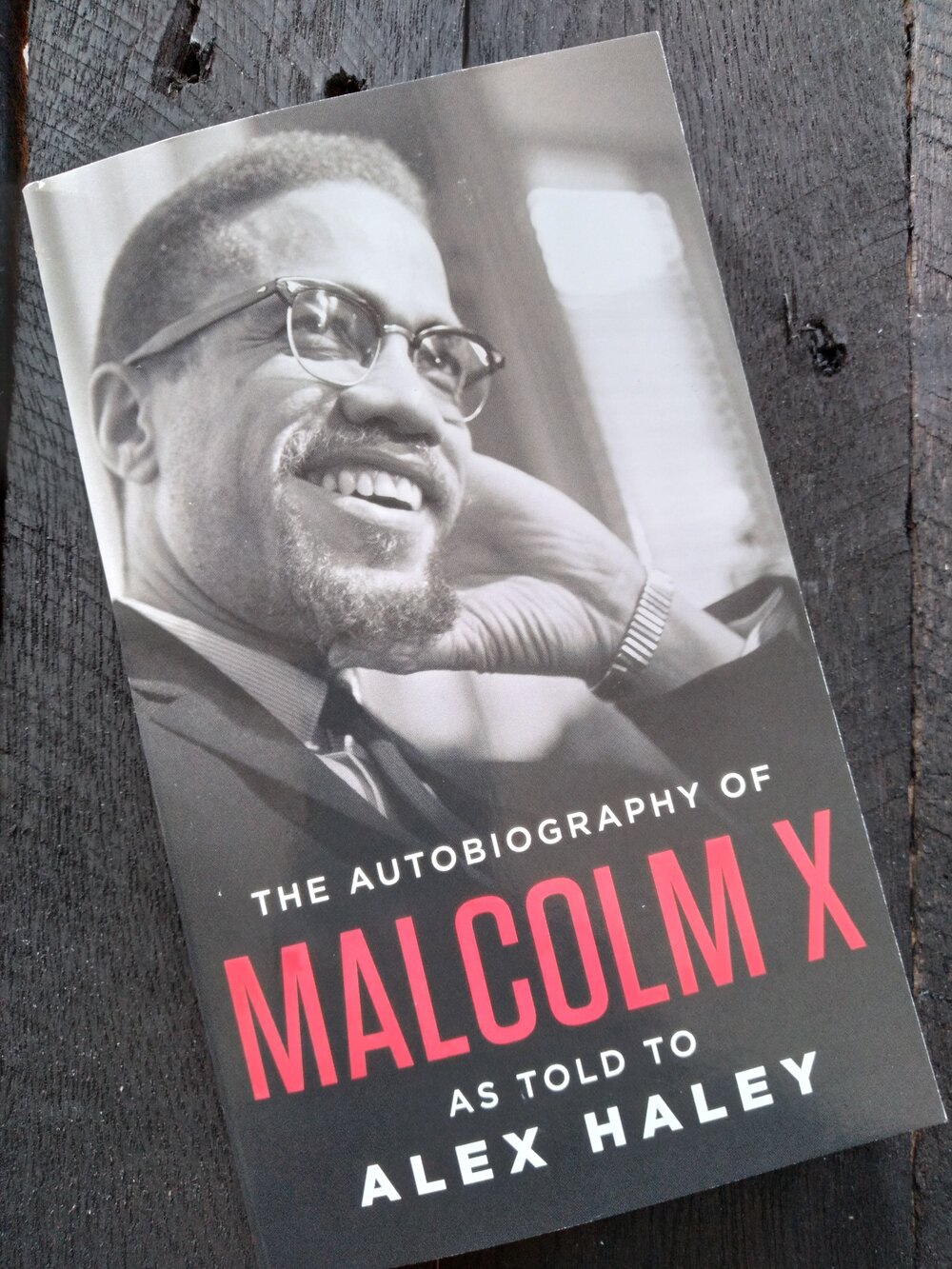
The story of Malcolm X is a story of possibilities- possibilities to grow despite your circumstances, possibilities to fight for your rights against all odds. Malcolm X was a fairly controversial figure in history- an African American Muslim minister and human rights activist during the civil rights movement. The author, Alex Haley, does a commendable work at keep the tone of the autobiography impartial- stating facts and events for what they were without letting his interpretation of them come in the way. When I finally flipped over the last page of this autobiography, I was in two minds about Malcolm X. He is definitely not a character one can paint in black and white. But what a life! A robber, pimp, drug peddler, prisoner, activist, convert, leader- all in a short lifetime of 39 years. The evolution of him as person is a journey of being abandoned, getting lost, finding oneself, and questioning one’s beliefs and opinions. While part of the Nation of Islam, Malcolm X rallied for separation and criticized the civil rights movement’s fight against racial segregation. He had an enormous presence which he used to bring together crowds and raise awareness about human rights and justice. What struck me most about him was his flexibility to rethink his beliefs. As a prominent activist, it is no easy feat to admit that all that you have been preaching this long is false and you have decided to switch tracks. But Malcolm X did exactly that once he renounced the Nation of Islam. He came to appreciate the value that come from racial harmony over separation and began advocating for the human rights of black people globally.
In the short life span he had, he lived multiple lifetimes and I would highly recommend going through his story to appreciate the multi-faceted perspectives it offers.
The Great Debaters
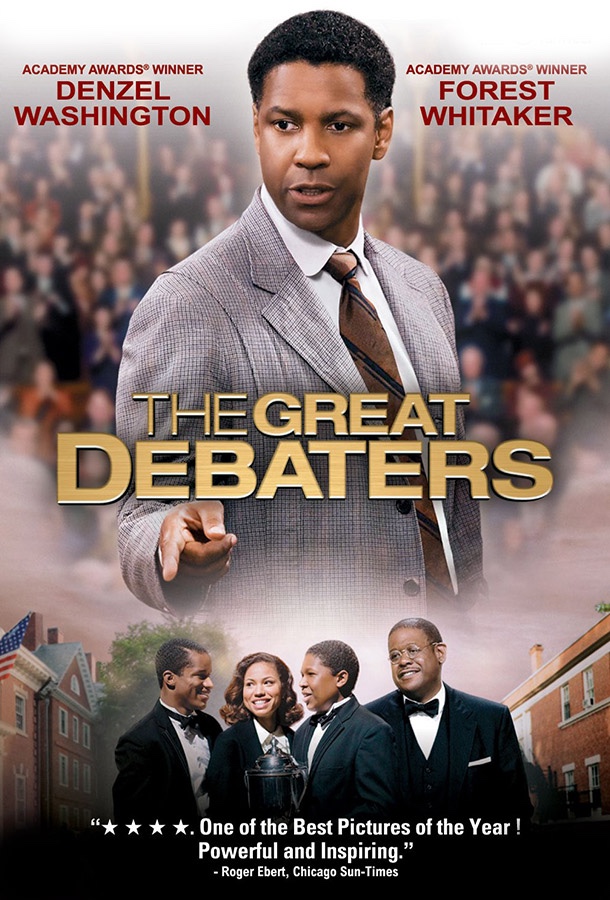
I watched The Great Debaters nearly a decade ago and it is still one of my favorite movies of all time. For starters, it has Denzel Washington playing the lead and directing. The story is inspired by the story behind the Wiley Debate team’s (an all-black team) victory at the debating championship in the 1930s- at a time when black people were not even admitted in the debating society. The movie covers multiple themes- a coming of age story of a boy finding his voice and opinions, a woman speaking out in an era where ladies were only supposed to hear and not listen, and then the main theme of a group of black students standing up on a stage and making themselves heard.
Image Credits: City of Southfield
 Asra Yousuf
Leave a comment